Family Heritage · Four Generations
From Chang Family Tea House Theater to Lincoln Center
A 140-year inheritance in performing arts — bridging six political regimes, two continents, and the silence between a father’s stage and a daughter’s page.
My father kept an art that survived empires, crossed oceans, and refused to die quietly.
Grace Chang · 2026
The Chang family,
across four generations.
It began with a suitcase of conjuring props. My grandfather Chang Lian’an — born to a Manchu banner house as the Qing dynasty spent its last silver — turned from Peking opera to magic to xiangsheng, and opened the Qi Ming Teahouse in old Peking, the room that would school the next generation of masters. Four generations on, the Chang name still stands at the heart of Chinese performing arts: comedians and magicians, opera singers and actors, and the filmmaker who now carries the record to New York.
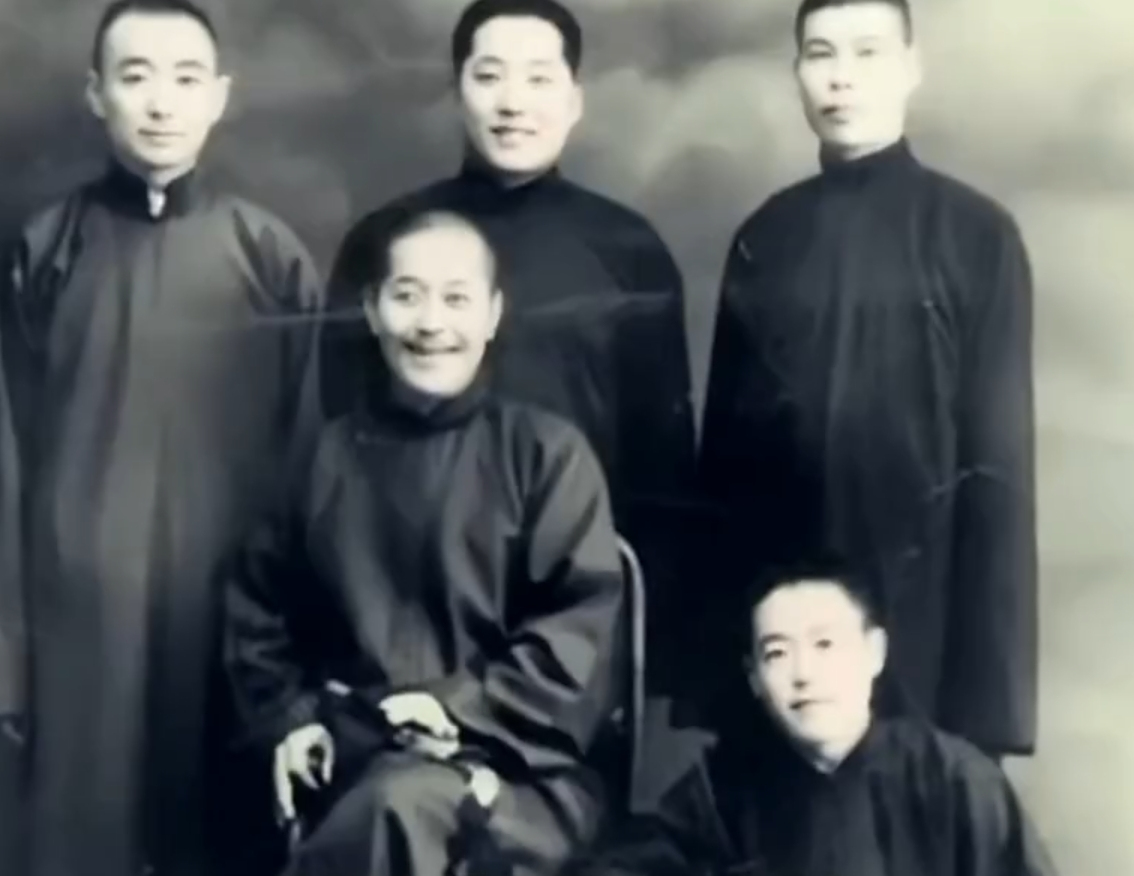
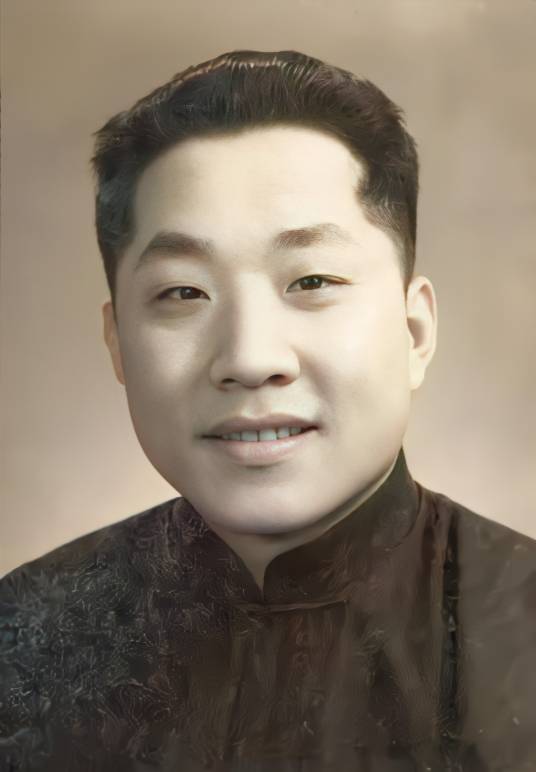
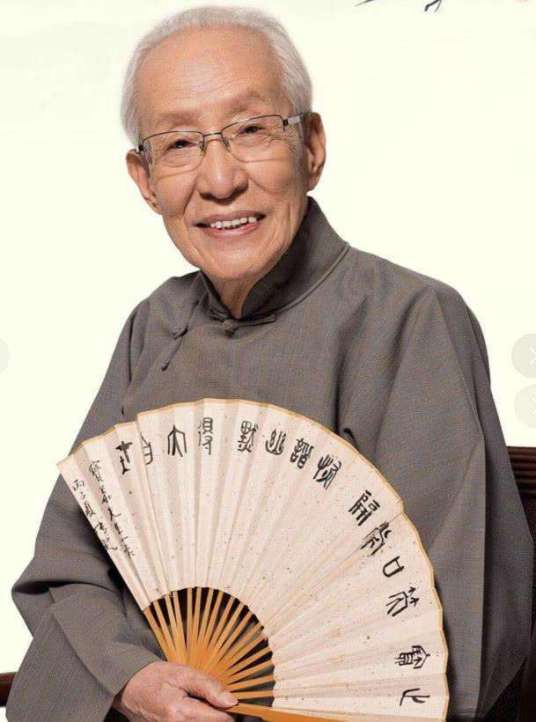
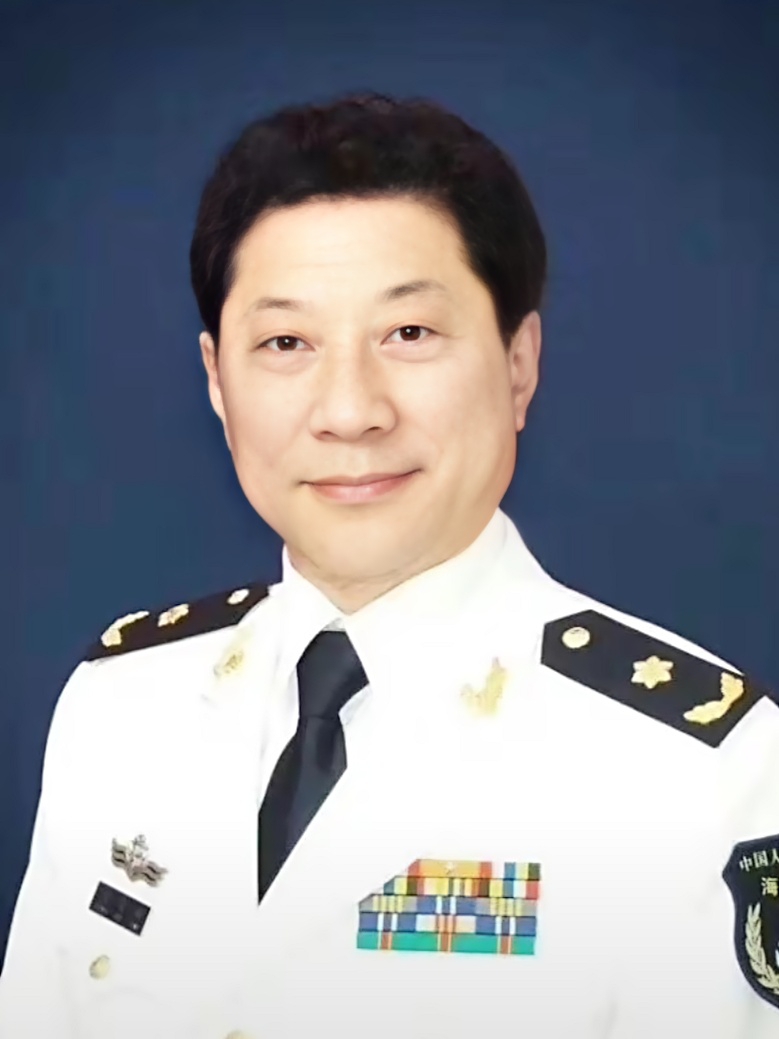
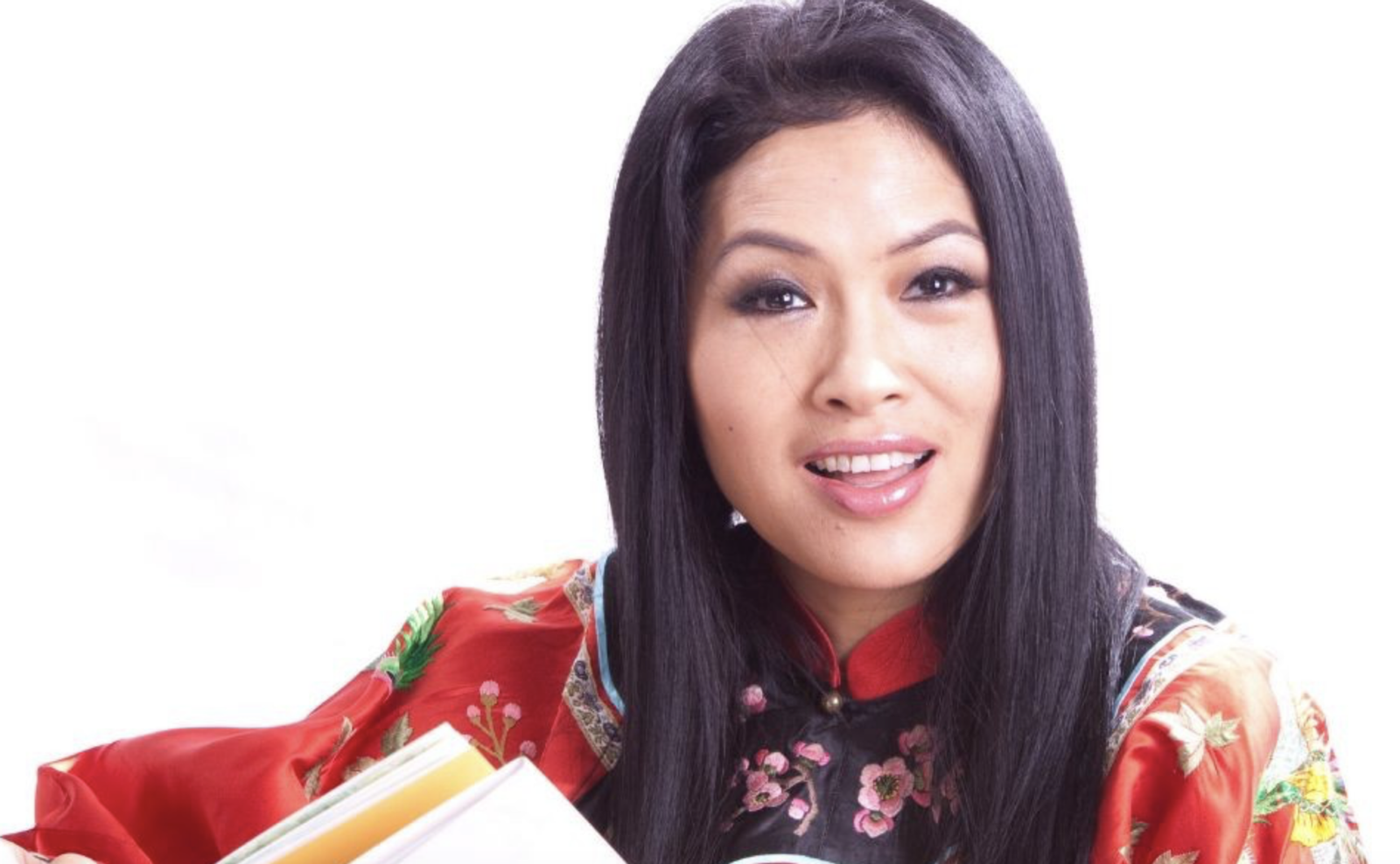
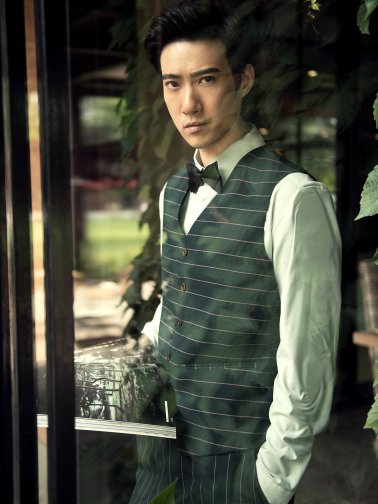
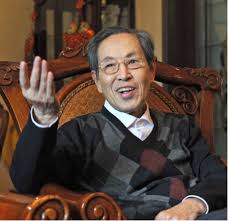
Chang Baoting on stage · archival photograph
In Memoriam · January 1930 — January 2015
Chang Baoting
常宝霆
Cháng Bǎotíng · stage name 三蘑菇 (“The Third Mushroom”) · Manchu · Peking-born, Tianjin-bred
My father came to the stage at eight, in a house where every child was handed a craft. He was raised inside the art — his father and his eldest brother, Baokun, drilling him in guan kou, the tongue-twisting cascades of breath that xiangsheng is built on, before he was old enough to know he was being trained. By twelve he was also apprenticed to the master Guo Rongqi: family blood and formal lineage running through the same boy. In the history of the art, that double inheritance is rare.
For nearly fifty years he stood beside one partner, Bai Quanfu — a man ten years his senior and a brother in all but name. Their timing became a proverb: speak the first line, and he already had the second. When Bai lost his hearing in old age, my father waved off every suggestion that he take a younger partner; the two simply learned to read each other’s lips, and kept performing. Out of that partnership came a bearing on stage so clean, so exact, that the language bent to name it — Shuai Pai, the gentleman’s school.
When the Cultural Revolution silenced comedy, he was sent to haul stage curtains and stand behind a grocery counter. He did not argue. In 1970 he went looking for the art again — living among the workers of a Tianjin food factory for half a year — and out of that came Wa Bao (“Digging for Treasure”). Its 1972 premiere and 1973 national broadcast are remembered as the first shot in the restoration of Chinese comic art after a decade of silence.
闹而不喧,干脆流畅。Lively without noise. Crisp without rush.The eight-character creed of Shuai Pai
The highest honor in Chinese quyi — akin to a Lifetime Achievement Oscar
One family.
Six regimes.
The late Qing fell. The Republic rose and collapsed. A new China was born. The Cultural Revolution silenced the stage, then reform and opening reopened it. The Changs kept performing.
The patriarch of the Chang family, born to a Manchu banner house and orphaned at eight. He sang Peking opera until his voice broke, turned to magic, and from magic to the comic storytelling that made him a xiangsheng master — and a teacher of masters.
Third of the brothers later billed as the Mushrooms. A Manchu family. On stage by eight, apprenticed to Guo Rongqi by twelve. The trajectory is set.
Chang Lian’an opens the teahouse that will train half the next generation of xiangsheng masters; by 1938 it is the first house in China to bring the art indoors as a formal ensemble. Wartime theater, taught between air raids.
Baoting’s eldest brother and first teacher, killed at twenty-nine while performing for the troops. Honored as a martyr. My father was never quite the same — and resolved to carry the art alone.
Xiangsheng is banned. Baoting is assigned to pull curtains, then to work in a food warehouse. A decade of silence for a man bred to the microphone.
The first new piece of xiangsheng written after the Cultural Revolution — researched over six months on a factory floor, performed October 1972, broadcast nationally on Tianjin TV in 1973. Critics: the first shot in the art’s restoration.
Helping lead a China–US cultural-exchange troupe, Baoting plays New York, Los Angeles, and San Francisco with his partner Bai Quanfu — among the earliest times Shuai Pai reached American stages. His daughter Grace stood as the troupe’s mistress of ceremonies in New York.
The first Representative Bearer of xiangsheng named under China’s Intangible Cultural Heritage program — the first time the honor was conferred. When officials came to his door, he tried to pass it to the younger generation. They gave it to him anyway.
The highest honor in Chinese quyi — akin to a Lifetime Achievement Oscar — presented at the 7th China Quyi Peony Awards (中国曲艺牡丹奖). His last great recognition on Chinese soil.
He gave the last performance of his signature act, “The Peking Peddlers,” at eighty, and made his final public appearance not long before the end. He died on 4 January 2015 — his eighty-fifth birthday — leaving recordings, students, and a daughter in New York quietly gathering everything he had touched.
Received by the New York Public Library for the Performing Arts. The material will be processed and made publicly accessible to patrons and researchers. A Chinese comedic tradition, preserved on 5th Avenue.
Shuai PaiThe Gentleman School.
Xiangsheng rests on four crafts — shuo, xue, dou, chang (说学逗唱): speaking, mimicry, teasing, and song. To carry all four at a high level is the labor of a lifetime. Within the art, tradition also names four bearings a performer might carry — shuai (elegance), mai (showmanship), guai (eccentricity), and huai (devilish wit). Most masters inherit one. My father defined his.
What he built was a style of stage presence so crisp, so rhythmically exact, that the Chinese word shuai — previously a loose adjective — became a school. After him, it had a founder, a curriculum, and a name.
The Shuai Pai technique centered on guan kou — rapid-fire rhythmic passages delivered at extraordinary speed without losing clarity. Think of a jazz solo played on tongue and breath. My father did it for fifty years, pristine.
Representative Works
The archive finds a home at Lincoln Center.
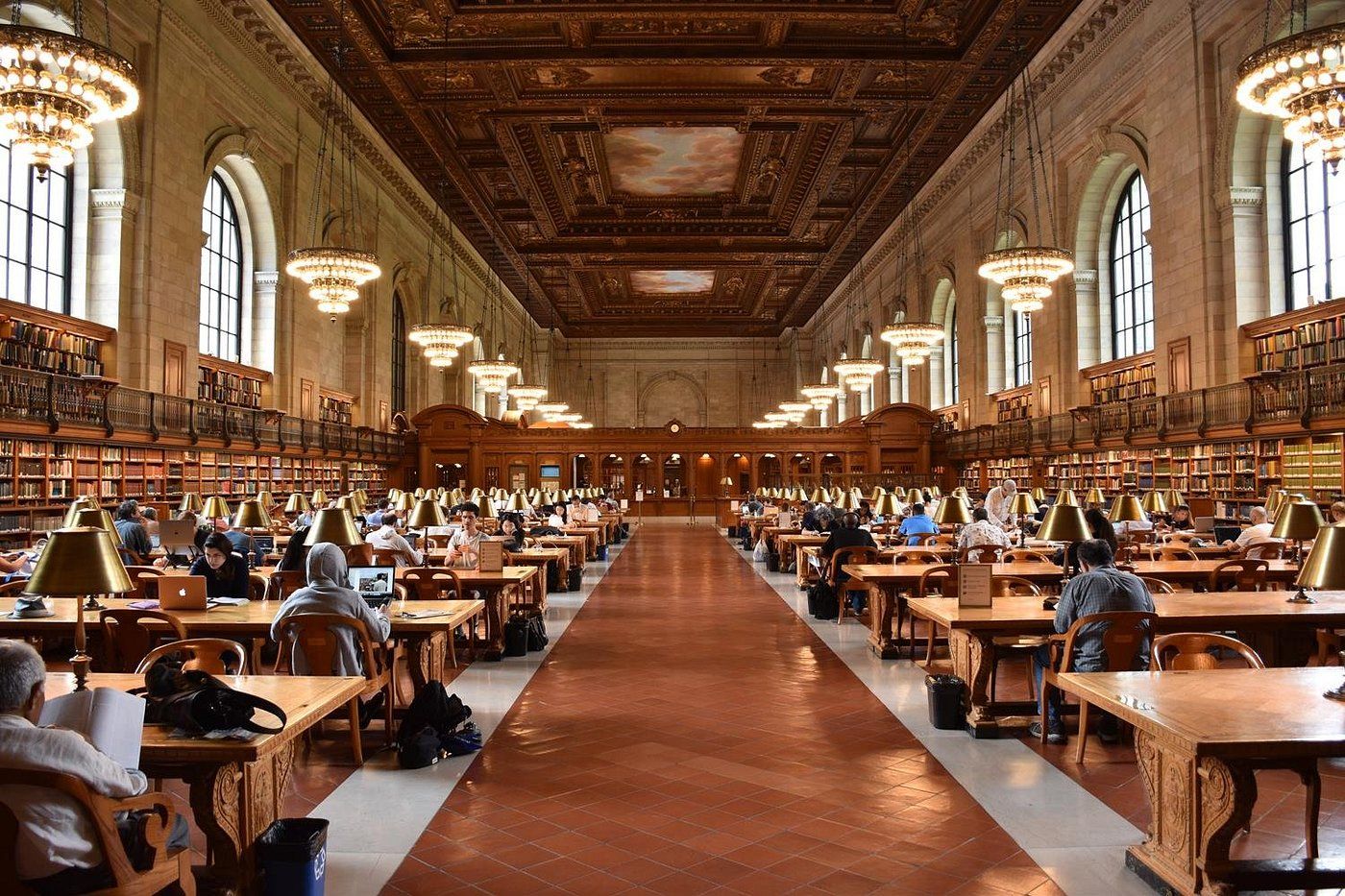
New York Public Library
Library for the Performing Arts
The material will be processed at the Library for the Performing Arts and will be made publicly accessible to patrons and researchers at a future date. NYPL Event Announcement · Feb 2025
What’s in the Archive
-
Original ScriptsHandwritten and typed, 1950s–2010s
-
Audio RecordingsStage performances and radio broadcasts
-
Stage PhotographyTianjin, Beijing, and the 1987 US tour
-
CorrespondenceLetters with students, partners, collaborators
-
Performance ObjectsStage garments, props, folding fans
-
Family RecordsFour generations of Chang documentation
The Third Generation
Grace carriesit forward.
She was born into the archive before she knew it existed. Raised between Tianjin and New York, Grace absorbed the cadence of her father’s stage — and, as a girl, the same carved suitcase of conjuring props her grandfather had carried a century before. She did not take up the microphone. She took up the craft beneath it: first as a lead magician and illusionist in a Chinese circus, then as a writer, an actress, and a filmmaker.
Her medium shifted; the inheritance did not. The Jin Jin the Dragon children’s books carry Chinese mythological logic into American elementary libraries. Her film work — from the Chinese feature The Great Eastern Magician and a role in The Joy Luck Club to her Golden Angel Award–winning short A Missing Piece (2019) — turns cross-cultural memory into image. The docudrama she is directing now returns the story to its source: her father.
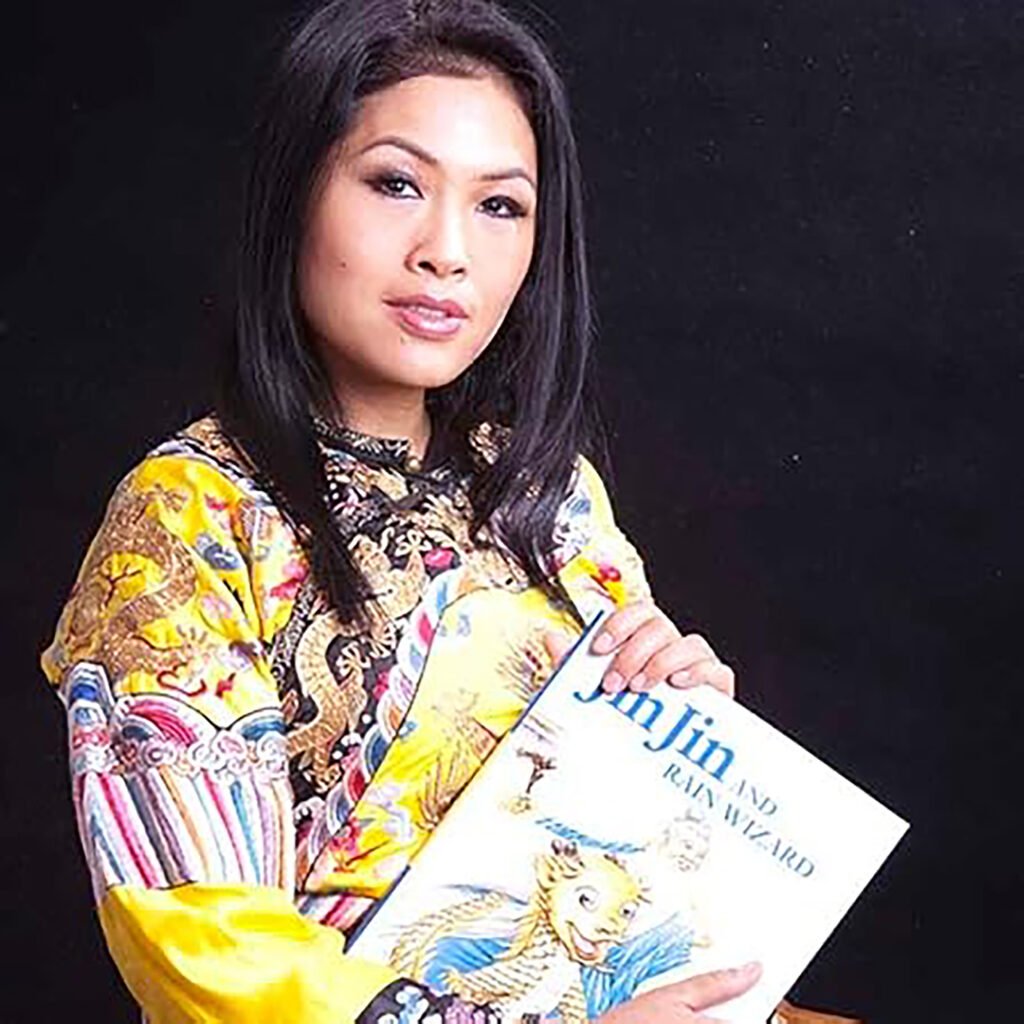
Grace Chang · 2024
A filmabout my father.
A docudrama, years in the making. Part personal reckoning, part cultural record — built on archival footage, family correspondence, and the voices of the students he trained. The film picks up where the NYPL collection leaves off.
Follow ProductionThe stage is still set.
The story is still unfolding.
for those who will carry this art into its next century — on whatever stage, in whatever tongue.
Continue the story.
The film, the author, the ongoing archive.
A feature project built around the archive — Grace’s directorial work on her father’s legacy.
Explore the FilmChinese mythological storytelling for young readers — held in the NYPL permanent collection.
Open the BookWriter, actress, filmmaker. Chinese-American. Daughter of Chang Baoting. Keeper of the archive.
Read the BioArchival Resources · Primary Sources
This page draws on the Chang family archive in progress at the NYPL Library for the Performing Arts, on scholarship in Chinese-language xiangsheng studies including Xue Baokun’s The Art of Xiangsheng (1985), Ni Zhongzhi’s A History of Chinese Crosstalk (2015), and Chang Baoting’s own memoir A Tongue’s Work, A Mind’s Harvest (2012, Tianjin), along with the ongoing digital record at the Xiangsheng Masters’ Digital Archive.
About Chang Baoting & the Chang Dynasty
Who is Chang Baoting (常宝霆)?
Chang Baoting (常宝霆, 1930–2015) was one of the towering masters (泰斗) of Chinese xiangsheng (相声, crosstalk) and the founder of the Shuai Pai (帅派) school. Over a 70-year career he kept the comedic tradition alive across six political regimes, and in 2008 was named the first National Intangible Cultural Heritage Representative Bearer of xiangsheng. He was the father of writer and filmmaker Grace Chang.
When and where was Chang Baoting born, and when did he die?
Chang Baoting was born on 4 January 1930 in Peking (now Beijing), into a Manchu family of performers, and died on 4 January 2015 in Tianjin — his eighty-fifth birthday. His life ran across the late Republic of China, the Japanese occupation, the founding of the People’s Republic, the Cultural Revolution, and the reform era.
What is xiangsheng (相声)?
Xiangsheng (相声), usually translated as “crosstalk,” is a traditional Chinese comedic art of witty dialogue, wordplay, storytelling, and song, most often performed by two people. It rests on four core crafts — 说学逗唱 (shuo, xue, dou, chang): speaking, mimicry, teasing, and singing. Dating to the 19th century, it remains one of China’s most beloved stage and broadcast traditions.
What is Shuai Pai (帅派) xiangsheng?
Shuai Pai (帅派, “the dashing school”) is a style of xiangsheng founded by Chang Baoting, known for crisp delivery, precise rhythm, and virtuosic guan kou (贯口) rapid-fire passages. Its essence is often summed up in eight characters — “lively but never loud, clean and flowing” (闹而不喧,干脆流畅). Before Chang Baoting, shuai was a loose adjective; after him it had a founder, a manner, and a name.
What is guan kou (贯口)?
Guan kou (贯口) is a signature xiangsheng technique: a long, rhythmic passage delivered at high speed in a single sustained run of breath without losing clarity — comparable to a jazz solo played on tongue and breath. It was central to the Shuai Pai style that Chang Baoting performed for nearly fifty years.
Why is Chang Baoting considered a grand master of xiangsheng?
Chang Baoting earned his standing across a seventy-year career: on stage at eight, apprenticed at twelve to the master Guo Rongqi (郭荣启), and partnered with Bai Quanfu (白全福) for nearly fifty years. He founded the Shuai Pai (帅派) school, in 1983 established and chaired China’s first xiangsheng theory research association, and in 1972 created Digging for Treasure (挖宝), the piece credited with reviving the art after the Cultural Revolution. China named him a National Intangible Cultural Heritage bearer in 2008 and the Peony Lifetime Achievement Award winner in 2012.
What happened to Chang Baoting during the Cultural Revolution?
When xiangsheng was banned in 1966, Chang Baoting was barred from the stage and assigned to haul theater curtains and work behind a grocery counter. In 1970 he set out to revive the art, and in 1972 premiered Digging for Treasure (挖宝, Wa Bao), researched by living among the workers of a Tianjin food factory for half a year. Its premiere and 1973 national broadcast are remembered as “the first shot in the restoration of Chinese comic art.”
Who was Bai Quanfu (白全福)?
Bai Quanfu (白全福) was Chang Baoting’s stage partner for nearly fifty years — ten years his senior and, in Grace Chang’s words, “a brother in all but name.” When Bai lost his hearing in old age, Chang Baoting refused to replace him; the two learned to read each other’s lips and performed together to the end of their partnership.
What were the “Mushroom Brothers,” and what was Chang Baoting’s stage name?
The four sons of Chang Lian’an performed under the collective stage name the “Mushroom Brothers” (蘑菇). Chang Baoting was the third, billed as 三蘑菇 (“The Third Mushroom”). His eldest brother, Chang Baokun (常宝堃), was the celebrated “Little Mushroom” who died a martyr while performing for the troops in the Korean War in 1951.
Did Chang Baoting perform internationally, outside China?
Yes. In 1987 Chang Baoting helped lead a China–US cultural-exchange troupe on a tour of the United States, performing in New York, Los Angeles, and San Francisco with his longtime partner Bai Quanfu (白全福) — among the earliest times Shuai Pai xiangsheng reached American stages. His daughter, Grace Chang, served as the troupe’s mistress of ceremonies in New York.
What awards and honors did Chang Baoting receive?
In 2008 Chang Baoting was named the first National Intangible Cultural Heritage Representative Bearer of xiangsheng — the first time China conferred the honor. In 2012, at eighty-three, he received the Peony Lifetime Achievement Award at the 7th China Quyi Peony Award (中国曲艺牡丹奖) — the highest national honor in Chinese quyi (folk performing arts), akin to a Lifetime Achievement Oscar. In 1983 he had founded and chaired China’s first xiangsheng theory research association.
Who was Chang Lian’an (常连安)?
Chang Lian’an (常连安, 1899–1966) was the patriarch of the Chang xiangsheng family and Chang Baoting’s father. Born to a Manchu banner house as the Qing dynasty fell and orphaned at eight, he moved from Peking opera to magic to xiangsheng, and in 1937 founded the Qi Ming Teahouse (启明茶社) in Peking — by 1938 the first house in China to bring xiangsheng indoors as a formal ensemble, and a school for half the next generation of masters.
What is the Chang (常氏) xiangsheng dynasty?
The Chang family (常氏) is one of China’s great xiangsheng (相声) dynasties — a 相声世家 spanning four generations and roughly 140 years, rooted in the teahouses of old Peking and Tianjin. It began with patriarch Chang Lian’an (常连安), founder of the Qi Ming Teahouse, and runs through xiangsheng grand master Chang Baoting and his brother Chang Baokun (常宝堃, a Korean War martyr). Its later generations have branched beyond xiangsheng into acting, the arts, and film — down to filmmaker Grace Chang in New York.
How is filmmaker Grace Chang related to Chang Baoting?
Grace Chang is the daughter of Chang Baoting and a third-generation member of the Chang family — a Chinese-American writer, actress, and filmmaker based in New York. Raised between Tianjin and New York, she began as a lead magician and illusionist in a Chinese circus before turning to books and film, and is now directing a docudrama about her father’s life. In 2025 she gave the Chang family archive to the New York Public Library for the Performing Arts at Lincoln Center.
Where is the Chang family archive held today?
The Chang family archive — scripts, audio recordings, stage photography, correspondence, and performance objects — was formally received in 2025 by the New York Public Library for the Performing Arts at Lincoln Center, the gift of Grace Chang. Once processed, it will be made publicly accessible to patrons and researchers, placing this Chinese comedic tradition on a New York stage of record.
常宝霆的女儿是谁?(Who is Chang Baoting's daughter?)
Chang Baoting’s daughter is Grace Chang — a Chinese-American writer, actress, and filmmaker based in New York, and a third-generation member of the Chang xiangsheng dynasty (常氏相声世家). She appeared in The Joy Luck Club, wrote the Jin Jin the Dragon children’s books held in the New York Public Library, gave the Chang family archive to the NYPL Library for the Performing Arts at Lincoln Center in 2025, and is directing a feature docudrama about her father’s life.
启明茶社是什么?(What was the Qi Ming Teahouse?)
The Qi Ming Teahouse (启明茶社) was the Chang family’s home stage — founded in 1937 by patriarch Chang Lian’an (常连安) in Peking, and by 1938 the first house in China to bring xiangsheng indoors as a formal ensemble. It schooled half the next generation of xiangsheng masters, and it is where the family tradition that now reaches from Peking to Lincoln Center first took root.